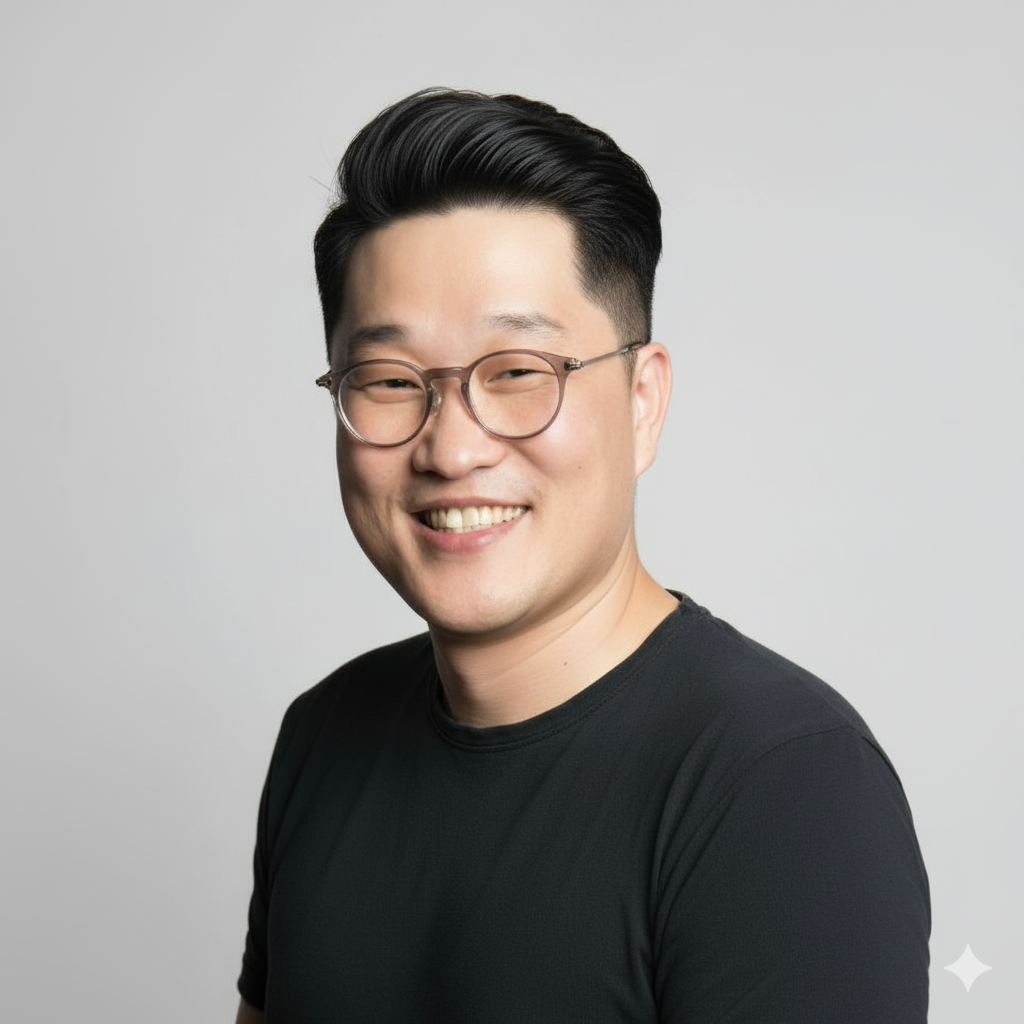
My path has never been linear. Before architecture, I moved through nonprofit work, the Olympic Committee, and a Japanese restaurant—following curiosity without realizing I was prototyping my future. I didn’t yet know my strengths or values; I was simply trying to understand where I belonged. Years later, I recognized those early jobs as the first clues about how I think and what I care about.
Architecture gave me the language to make sense of it all. In studio, meaning never arrived fully formed. It emerged through sketches pinned to the wall, models scattered across the table, diagrams rearranged until something clicked. I learned that coherence comes from stepping back and seeing relationships—and eventually I realized my life worked the same way: nonlinear moments forming patterns, patterns becoming direction.
That perspective shapes the work I do now.
At Dartmouth’s Center for Career Design, I design tools and environments that help students map identity and meaning—visually, spatially, and narratively. At Kent State University, I teach Architectural Narratives, helping architecture students articulate the intent behind their work through verbs, diagrams, and story. I also lead Lo/Be Lab, where I explore how reflective tools and spatial interfaces can support learning, self-understanding, and early-career development.
Outside of work, you’ll usually find me hiking New Hampshire’s quiet trails or experimenting with simple recipes at home. These small rhythms remind me of something I’ve learned again and again:
Meaning isn’t found—it’s shaped.
And it’s shaped the way all design takes form: through iteration, arrangement, and the courage to look closely.
My Prototyping
My work lives at the intersection of reflection and design. I build prototypes not to test products, but to help people see themselves with greater clarity. Across tools, workshops, and digital environments, I explore how externalizing thought—visually, spatially, narratively—can shift the way people understand who they are becoming.
Mapping Identity
I am drawn to the moment when something becomes clear, when a quick sketch or layout shows a connection I did not see before. This instinct shapes my identity mapping work. I create simple settings where students lay out their memories, values, skills, and questions, then move them until a story begins to appear. Seeing everything in one place helps people notice patterns they had missed. The goal is not to find one final answer, but to offer a steady and quiet way to understand themselves more clearly.
Building Reflective Worlds
I have learned that reflection depends on the right environment. Many people want to understand their lives more clearly, but they rarely have a space that invites them to slow down. This is why I build digital worlds that feel calm and open, similar to walking through a quiet room rather than using a typical app. A small change in perspective, such as a pause, a wider view, or a thoughtful prompt, can shift the way someone interprets an experience. In these spaces, movement becomes a way of thinking through a question. My goal is not to create complicated technology. It is to design places where people can breathe, see their thoughts from a new angle, and feel more grounded.